Aardvark Alley

Confessional Lutheran theology, hagiography, philosophy, music, culture, sports, education,
and whatever else is on the fevered mind of Orycteropus Afer
04 September 2016
+ Moses, Prophet and Deliverer +
4 September, Old Testament
 Today we commemorate Moses, who was born in Egypt several generations after Joseph brought his father Jacob and his brothers there to escape a famine in the land of Canaan. Although Joseph certainly delivered Egypt from the effects of the famine, at some later time, a change in regimes brought a change in Egyptian attitude toward the Hebrews in their midst. As this happened, the sons of Israel began to know affliction.
By the time Jacob's descendants had lived in Egypt for 400 years, they were in slavery. Because they were worried about a rapidly expanding population of Hebrews, the Egyptians ordered the Israelites to kill their male children. When Moses was born, his mother had his elder sister put him in a basket and set it afloat among the reeds in the Nile River. Pharaoh's daughter found him and raised by her as her own son (Exodus 2:1-10). At age forty Moses killed an Egyptian taskmaster and fled to Midian, where he worked as a shepherd for most of his exile. There he married Zipporah, daughter of Jethro the priest of Midian (2:11-22).
After another 40 years had passed, the Lord called him through the burning bush to go back to Egypt and tell Pharaoh to release Israel from its bondage (Exodus 3). The Lord appointed his brother Aaron to assist him before Moses came to Pharaoh and told him that the Lord said, "Let My people go, that they may hold a feast to Me in the wilderness. (5:1)" After a series of plagues, the Israelites celebrated the first Passover, the Lord struck down the first-born males throughout Egypt, Pharaoh capitulated, and Moses led them out. Often, Moses and Aaron were aided by their sister Miriam.
 At the Red Sea the Egyptian army was destroyed and the Israelites passed to safety on dry land (Exodus 12-15). At Mount Sinai they were given the Law and then erected the Tabernacle (19ff.). Because of disobedience, they had to wander in the wilderness for forty years. Moses himself was not allowed to enter the Promised Land because of his own sin of failing to uphold the Lord "as holy in the eyes of the people of Israel" (see Numbers 20:10-13), although God allowed him to view it (Deuteronomy 34).
Before Moses' death, the Lord appointed his faithful assistant Joshua to assume the mantle of leadership for Israel. It was he who led Israel into Canaan and directed the conquest of many of the hostile peoples who occupied Palestine.
In the New Testament Moses is referred to as lawgiver and prophet. Before his death, Moses promised Israel that the Lord would "raise up for you a prophet like me from among you. (Deuteronomy 18:15)" This prophecy found fulfillment in Jesus Christ. The first five books of the Bible, sometimes called the Pentateuch, are attributed to Mosaic authorship.
Q: Who is the world record-holding chiropractor?
A: Moses. He dealt with a million stiff-necked people.


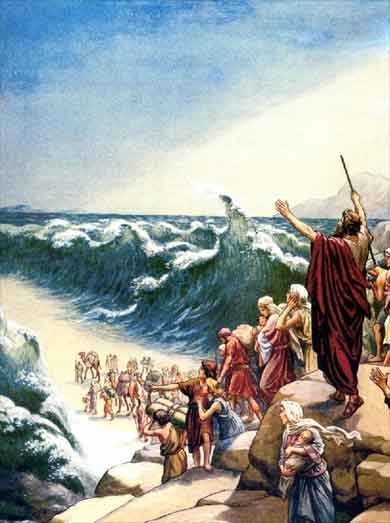 Today we commemorate Moses, who was born in Egypt several generations after Joseph brought his father Jacob and his brothers there to escape a famine in the land of Canaan. Although Joseph certainly delivered Egypt from the effects of the famine, at some later time, a change in regimes brought a change in Egyptian attitude toward the Hebrews in their midst. As this happened, the sons of Israel began to know affliction.
By the time Jacob's descendants had lived in Egypt for 400 years, they were in slavery. Because they were worried about a rapidly expanding population of Hebrews, the Egyptians ordered the Israelites to kill their male children. When Moses was born, his mother had his elder sister put him in a basket and set it afloat among the reeds in the Nile River. Pharaoh's daughter found him and raised by her as her own son (Exodus 2:1-10). At age forty Moses killed an Egyptian taskmaster and fled to Midian, where he worked as a shepherd for most of his exile. There he married Zipporah, daughter of Jethro the priest of Midian (2:11-22).
After another 40 years had passed, the Lord called him through the burning bush to go back to Egypt and tell Pharaoh to release Israel from its bondage (Exodus 3). The Lord appointed his brother Aaron to assist him before Moses came to Pharaoh and told him that the Lord said, "Let My people go, that they may hold a feast to Me in the wilderness. (5:1)" After a series of plagues, the Israelites celebrated the first Passover, the Lord struck down the first-born males throughout Egypt, Pharaoh capitulated, and Moses led them out. Often, Moses and Aaron were aided by their sister Miriam.
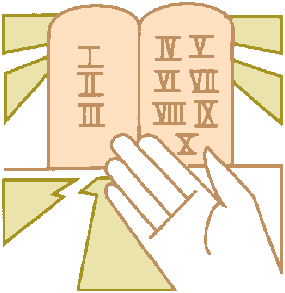 At the Red Sea the Egyptian army was destroyed and the Israelites passed to safety on dry land (Exodus 12-15). At Mount Sinai they were given the Law and then erected the Tabernacle (19ff.). Because of disobedience, they had to wander in the wilderness for forty years. Moses himself was not allowed to enter the Promised Land because of his own sin of failing to uphold the Lord "as holy in the eyes of the people of Israel" (see Numbers 20:10-13), although God allowed him to view it (Deuteronomy 34).
Before Moses' death, the Lord appointed his faithful assistant Joshua to assume the mantle of leadership for Israel. It was he who led Israel into Canaan and directed the conquest of many of the hostile peoples who occupied Palestine.
In the New Testament Moses is referred to as lawgiver and prophet. Before his death, Moses promised Israel that the Lord would "raise up for you a prophet like me from among you. (Deuteronomy 18:15)" This prophecy found fulfillment in Jesus Christ. The first five books of the Bible, sometimes called the Pentateuch, are attributed to Mosaic authorship.
Q: Who is the world record-holding chiropractor?
A: Moses. He dealt with a million stiff-necked people.
Labels: biography, christology, commemoration, exodus, hagiography, israel, joshua, moses, old testament, pentateuch, pharaoh, ten commandments, torah
¶ 00:00 | 0 comments |
01 September 2016
+ Joshua, Son of Nun +
1 September, Old Testament
Joshua, the son of Nun, was first mentioned in Exodus 17:8-16. The Lord chose him through Moses to fight the Amalakites, whom he defeated in a brilliant military victory. According to Exodus 24, Joshua became close to Moses and accompanied him when he went up Sinai with "Aaron, Nadab, and Abihu, and seventy of the elders of Israel. (v. 9)" We know this since Scripture says that after he sent the others down the mountain, "Moses rose with his assistant Joshua, and Moses went up into the mountain of God. (v. 13)"
He was devoted to the Lord's Presence in the Tent of Meeting (Exodus 33:11) and was a member of the tribal representatives sent to survey the land of Canaan (Numbers 13:8). He and Caleb were the only two "spies" who provided honest reports which fully trusted in the Lord to deliver the Promised Land to His people (Numbers 14:6-9).
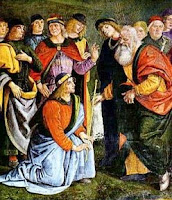 God later appointed him to succeed Moses as Israel's leader. First, "Moses summoned Joshua and said to him in the sight of all Israel, 'Be strong and courageous, for you shall go with this people into the land that the Lord has sworn to their fathers to give them, and you shall put them in possession of it.' (Deuteronomy 31:7)" Shortly thereafter, "The Lord commissioned Joshua the son of Nun and said, 'Be strong and courageous, for you shall bring the people of Israel into the land that I swore to give them. I will be with you.' (v. 23)"
Joshua eventually led the Israelites across the Jordan River into the Promised Land, directing the capture of Jericho (Joshua 6), during which he commanded that the lives of the prostitute Rahab and her family be spared (v. 17). We also remember him for his final address to the Israelites, in which he challenged them to serve God faithfully (24:1-28), declaring, "As for me and my house, we will serve the Lord. (24:15)"
No Israelite should have been at all surprised with Joshua's successes. That's because Joshua is a shortened form of Jehoshua, which means "Yahweh (the Lord) saves." Through Joshua, the Lord defeated many armies and enemies, established His people in the promised land, and prepared them for their new life as a nation. This name becomes even dearer to Christians when we realize that the name of Jesus comes from the Greek transliteration of Joshua, "for there is no other name under heaven given among men by which we must be saved. (Acts 4:12)"
Joshua, the son of Nun, was first mentioned in Exodus 17:8-16. The Lord chose him through Moses to fight the Amalakites, whom he defeated in a brilliant military victory. According to Exodus 24, Joshua became close to Moses and accompanied him when he went up Sinai with "Aaron, Nadab, and Abihu, and seventy of the elders of Israel. (v. 9)" We know this since Scripture says that after he sent the others down the mountain, "Moses rose with his assistant Joshua, and Moses went up into the mountain of God. (v. 13)"
He was devoted to the Lord's Presence in the Tent of Meeting (Exodus 33:11) and was a member of the tribal representatives sent to survey the land of Canaan (Numbers 13:8). He and Caleb were the only two "spies" who provided honest reports which fully trusted in the Lord to deliver the Promised Land to His people (Numbers 14:6-9).
 God later appointed him to succeed Moses as Israel's leader. First, "Moses summoned Joshua and said to him in the sight of all Israel, 'Be strong and courageous, for you shall go with this people into the land that the Lord has sworn to their fathers to give them, and you shall put them in possession of it.' (Deuteronomy 31:7)" Shortly thereafter, "The Lord commissioned Joshua the son of Nun and said, 'Be strong and courageous, for you shall bring the people of Israel into the land that I swore to give them. I will be with you.' (v. 23)"
Joshua eventually led the Israelites across the Jordan River into the Promised Land, directing the capture of Jericho (Joshua 6), during which he commanded that the lives of the prostitute Rahab and her family be spared (v. 17). We also remember him for his final address to the Israelites, in which he challenged them to serve God faithfully (24:1-28), declaring, "As for me and my house, we will serve the Lord. (24:15)"
No Israelite should have been at all surprised with Joshua's successes. That's because Joshua is a shortened form of Jehoshua, which means "Yahweh (the Lord) saves." Through Joshua, the Lord defeated many armies and enemies, established His people in the promised land, and prepared them for their new life as a nation. This name becomes even dearer to Christians when we realize that the name of Jesus comes from the Greek transliteration of Joshua, "for there is no other name under heaven given among men by which we must be saved. (Acts 4:12)"
Labels: biography, christianity, christology, commemoration, exodus, hagiography, israel, jericho, jesus, jordan river, joshua, moses, old testament
¶ 00:00 | 0 comments |
04 September 2015
+ Moses, Prophet and Deliverer +
4 September, Old Testament
 Today we commemorate Moses, who was born in Egypt several generations after Joseph brought his father Jacob and his brothers there to escape a famine in the land of Canaan. Although Joseph certainly delivered Egypt from the effects of the famine, at some later time, a change in regimes brought a change in Egyptian attitude toward the Hebrews in their midst. As this happened, the sons of Israel began to know affliction.
By the time Jacob's descendants had lived in Egypt for 400 years, they were in slavery. Because they were worried about a rapidly expanding population of Hebrews, the Egyptians ordered the Israelites to kill their male children. When Moses was born, his mother had his elder sister put him in a basket and set it afloat among the reeds in the Nile River. Pharaoh's daughter found him and raised by her as her own son (Exodus 2:1-10). At age forty Moses killed an Egyptian taskmaster and fled to Midian, where he worked as a shepherd for most of his exile. There he married Zipporah, daughter of Jethro the priest of Midian (2:11-22).
After another 40 years had passed, the Lord called him through the burning bush to go back to Egypt and tell Pharaoh to release Israel from its bondage (Exodus 3). The Lord appointed his brother Aaron to assist him before Moses came to Pharaoh and told him that the Lord said, "Let My people go, that they may hold a feast to Me in the wilderness. (5:1)" After a series of plagues, the Israelites celebrated the first Passover, the Lord struck down the first-born males throughout Egypt, Pharaoh capitulated, and Moses led them out. Often, Moses and Aaron were aided by their sister Miriam.
 At the Red Sea the Egyptian army was destroyed and the Israelites passed to safety on dry land (Exodus 12-15). At Mount Sinai they were given the Law and then erected the Tabernacle (19ff.). Because of disobedience, they had to wander in the wilderness for forty years. Moses himself was not allowed to enter the Promised Land because of his own sin of failing to uphold the Lord "as holy in the eyes of the people of Israel" (see Numbers 20:10-13), although God allowed him to view it (Deuteronomy 34).
Before Moses' death, the Lord appointed his faithful assistant Joshua to assume the mantle of leadership for Israel. It was he who led Israel into Canaan and directed the conquest of many of the hostile peoples who occupied Palestine.
In the New Testament Moses is referred to as lawgiver and prophet. Before his death, Moses promised Israel that the Lord would "raise up for you a prophet like me from among you. (Deuteronomy 18:15)" This prophecy found fulfillment in Jesus Christ. The first five books of the Bible, sometimes called the Pentateuch, are attributed to Mosaic authorship.
Q: Who is the world record-holding chiropractor?
A: Moses. He dealt with a million stiff-necked people.
Today we commemorate Moses, who was born in Egypt several generations after Joseph brought his father Jacob and his brothers there to escape a famine in the land of Canaan. Although Joseph certainly delivered Egypt from the effects of the famine, at some later time, a change in regimes brought a change in Egyptian attitude toward the Hebrews in their midst. As this happened, the sons of Israel began to know affliction.By the time Jacob's descendants had lived in Egypt for 400 years, they were in slavery. Because they were worried about a rapidly expanding population of Hebrews, the Egyptians ordered the Israelites to kill their male children. When Moses was born, his mother had his elder sister put him in a basket and set it afloat among the reeds in the Nile River. Pharaoh's daughter found him and raised by her as her own son (Exodus 2:1-10). At age forty Moses killed an Egyptian taskmaster and fled to Midian, where he worked as a shepherd for most of his exile. There he married Zipporah, daughter of Jethro the priest of Midian (2:11-22).
After another 40 years had passed, the Lord called him through the burning bush to go back to Egypt and tell Pharaoh to release Israel from its bondage (Exodus 3). The Lord appointed his brother Aaron to assist him before Moses came to Pharaoh and told him that the Lord said, "Let My people go, that they may hold a feast to Me in the wilderness. (5:1)" After a series of plagues, the Israelites celebrated the first Passover, the Lord struck down the first-born males throughout Egypt, Pharaoh capitulated, and Moses led them out. Often, Moses and Aaron were aided by their sister Miriam.
At the Red Sea the Egyptian army was destroyed and the Israelites passed to safety on dry land (Exodus 12-15). At Mount Sinai they were given the Law and then erected the Tabernacle (19ff.). Because of disobedience, they had to wander in the wilderness for forty years. Moses himself was not allowed to enter the Promised Land because of his own sin of failing to uphold the Lord "as holy in the eyes of the people of Israel" (see Numbers 20:10-13), although God allowed him to view it (Deuteronomy 34).Before Moses' death, the Lord appointed his faithful assistant Joshua to assume the mantle of leadership for Israel. It was he who led Israel into Canaan and directed the conquest of many of the hostile peoples who occupied Palestine.
In the New Testament Moses is referred to as lawgiver and prophet. Before his death, Moses promised Israel that the Lord would "raise up for you a prophet like me from among you. (Deuteronomy 18:15)" This prophecy found fulfillment in Jesus Christ. The first five books of the Bible, sometimes called the Pentateuch, are attributed to Mosaic authorship.
Q: Who is the world record-holding chiropractor?
A: Moses. He dealt with a million stiff-necked people.
Labels: biography, commemoration, exodus, hagiography, israel, joshua, moses, old testament, ten commandments
¶ 00:00 | 0 comments |
01 September 2015
+ Joshua, Son of Nun +
1 September, Old Testament
Joshua, the son of Nun, was first mentioned in Exodus 17:8-16. The Lord chose him through Moses to fight the Amalakites, whom he defeated in a brilliant military victory. According to Exodus 24, Joshua became close to Moses and accompanied him when he went up Sinai with "Aaron, Nadab, and Abihu, and seventy of the elders of Israel. (v. 9)" We know this since Scripture says that after he sent the others down the mountain, "Moses rose with his assistant Joshua, and Moses went up into the mountain of God. (v. 13)"
He was devoted to the Lord's Presence in the Tent of Meeting (Exodus 33:11) and was a member of the tribal representatives sent to survey the land of Canaan (Numbers 13:8). He and Caleb were the only two "spies" who provided honest reports which fully trusted in the Lord to deliver the Promised Land to His people (Numbers 14:6-9).
God later appointed him to succeed Moses as Israel's leader. First, "Moses summoned Joshua and said to him in the sight of all Israel, 'Be strong and courageous, for you shall go with this people into the land that the Lord has sworn to their fathers to give them, and you shall put them in possession of it.' (Deuteronomy 31:7)" Shortly thereafter, "The Lord commissioned Joshua the son of Nun and said, 'Be strong and courageous, for you shall bring the people of Israel into the land that I swore to give them. I will be with you.' (v. 23)"
Joshua eventually led the Israelites across the Jordan River into the Promised Land, directing the capture of Jericho (Joshua 6), during which he commanded that the lives of the prostitute Rahab and her family be spared (v. 17). We also remember him for his final address to the Israelites, in which he challenged them to serve God faithfully (24:1-28), declaring, "As for me and my house, we will serve the Lord. (24:15)"
No Israelite should have been at all surprised with Joshua's successes. That's because Joshua is a shortened form of Jehoshua, which means "Yahweh (the Lord) saves." Through Joshua, the Lord defeated many armies and enemies, established His people in the promised land, and prepared them for their new life as a nation. This name becomes even dearer to Christians when we realize that the name of Jesus comes from the Greek transliteration of Joshua, "for there is no other name under heaven given among men by which we must be saved. (Acts 4:12)"
Joshua, the son of Nun, was first mentioned in Exodus 17:8-16. The Lord chose him through Moses to fight the Amalakites, whom he defeated in a brilliant military victory. According to Exodus 24, Joshua became close to Moses and accompanied him when he went up Sinai with "Aaron, Nadab, and Abihu, and seventy of the elders of Israel. (v. 9)" We know this since Scripture says that after he sent the others down the mountain, "Moses rose with his assistant Joshua, and Moses went up into the mountain of God. (v. 13)"
He was devoted to the Lord's Presence in the Tent of Meeting (Exodus 33:11) and was a member of the tribal representatives sent to survey the land of Canaan (Numbers 13:8). He and Caleb were the only two "spies" who provided honest reports which fully trusted in the Lord to deliver the Promised Land to His people (Numbers 14:6-9).
God later appointed him to succeed Moses as Israel's leader. First, "Moses summoned Joshua and said to him in the sight of all Israel, 'Be strong and courageous, for you shall go with this people into the land that the Lord has sworn to their fathers to give them, and you shall put them in possession of it.' (Deuteronomy 31:7)" Shortly thereafter, "The Lord commissioned Joshua the son of Nun and said, 'Be strong and courageous, for you shall bring the people of Israel into the land that I swore to give them. I will be with you.' (v. 23)"Joshua eventually led the Israelites across the Jordan River into the Promised Land, directing the capture of Jericho (Joshua 6), during which he commanded that the lives of the prostitute Rahab and her family be spared (v. 17). We also remember him for his final address to the Israelites, in which he challenged them to serve God faithfully (24:1-28), declaring, "As for me and my house, we will serve the Lord. (24:15)"
No Israelite should have been at all surprised with Joshua's successes. That's because Joshua is a shortened form of Jehoshua, which means "Yahweh (the Lord) saves." Through Joshua, the Lord defeated many armies and enemies, established His people in the promised land, and prepared them for their new life as a nation. This name becomes even dearer to Christians when we realize that the name of Jesus comes from the Greek transliteration of Joshua, "for there is no other name under heaven given among men by which we must be saved. (Acts 4:12)"
Labels: biography, christianity, christology, commemoration, hagiography, israel, jesus, joshua, moses, old testament
¶ 00:00 | 0 comments |


