
 The early Church entrusted some women, particularly widows, with helping to carry out the "social work" of the Church, particularly caring for the sick and needy of the congregation. From reading 1 Timothy 5:1-16, it appears that certain of these women were specially consecrated and made a lifetime commitment to works of mercy. The idea of a female deaconate or service order largely died out by the 7th Century AD, although some groups of nuns and a few informally organized groups undertook similar work.
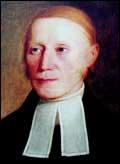
The modern deaconess movement came mainly through the work of Theodor Fliedner, a German Lutheran. Born in Eppstein, Germany, in 1800, he became pastor of a small parish in Kaiserswerth in 1821 or 1822. Fliedner took the work of England's Elizabeth Fry and Dutch Mennonites as inspiration. Encountering Moravian deaconesses, he also drew from their example.
He began serving the Düsseldorf Prison, walking to and from Düsseldorf on alternating Sundays until the appointment of a regular prison chaplain. This led to more prisons engaging chaplains and establishing regular worship and aid services for the prisoners. He envisioned and opened a nursery school; eventually it became a sort of teachers' college and a starting point for what would become his first deaconess school.
 Becoming more involved in Christian social work among the disadvantaged, Fliedner convinced himself that he should revive the order of deaconesses. He opened a hospital and deaconess training center in Kaiserswerth on 13 October 1836. Florence Nightingale heard of his reputation, visited the school in the 1840s, came back to study nursing, and graduated in 1851.
The program was so successful that he could send deaconesses to other hospitals by 1838. New deaconess motherhouses grew up in Pittsburgh, Pennsylvania and in Jerusalem, Paris, Berlin, and Strasbourg, and elsewhere. When he died, 30 motherhouses already stood and over 1500 deaconesses served around the world. The middle of the 20th century saw more than 35,000 deaconesses serving world-wide.
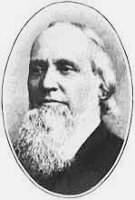
Lutherans in the United States may also want to remember William Passavant, who pioneered the American deaconess movement in 1849. He also founded missions, hospitals, orphanages, and schools. Passavant died 3 January 1894.
Additional information available from Wikipedia and James Kiefer.
Labels: american history, biography, christianity, church history, commemoration, deaconess, german history, hagiography, lutheranism, theodor fliedner, william passavant
¶ 00:00 | 0 comments |

These exemplary Christian women demonstrated their faith by their material support of Christ's Church.
 Dorcas (or "Tabitha" — both names mean "gazelle") was well-known and much loved for her acts of charity in the city of Joppa, especially for her making clothes for the poor. When Dorcas died suddenly, the members of her congregation sent to the neighboring city of Lydda for the Apostle Peter, who came and raised her from the dead (Acts 9:36-43).
Lydia was a woman of Thyatira, who worked at Philippi selling a famous purple dye that was so much in demand in the ancient world. She was also a "worshiper of God," although we cannot be sure if there was an active local she affiliated herself in any way with a local synagogue. When the Apostle Paul encountered her in prayer among other proselyte women, his preaching of the Word brought Lydia to faith in Christ. She and her friends thus became the nucleus of the Christian community in Philippi (16:11-15). It was to her house that Paul and Silas returned following the conversion of the Philippian jailer (16:16-40).
Phoebe was another faithful woman associated with the Apostle Paul. She was a church servant (perhaps "deaconess") from Cenchreae (one of the ports of Corinth) whom Paul sent to the church in Rome with his Epistle to the Romans. In it he writes of her support for the work of the early Church (Romans 16:1-2).
All of these women continue to be honored by the Church and emulated by many Christian women. Each of them, particularly Dorcas, have lent their names to various women's societies in many congregations.
Illustration is a public domain Bible card from 1897. To find similar cards and other illustrations, please follow the clipart link from The Bread Site.
Suggested Lection
Psalm 37:1-6 (27-40)
Acts 16:9-15 or 9:36-43
Romans 16:1-16
Matthew 10:40-42
Collect
Almighty God, You guided Your servants Dorcas, Lydia, and Phoebe to sustain and expand Your Holy Church by their loving service and generous deeds; open our hearts to hear You, grant us the will to obey You, and strengthen our hands to love our neighbors with the same love You pour out upon us, for the sake of Your Son Jesus Christ our Lord, who lives and reigns with You and the Holy Spirit, one God, now and forever.
Labels: acts, biography, commemoration, deaconess, dorcas, hagiography, lydia, new testament, phoebe, saint paul, saint peter, tabitha
¶ 00:00 | 0 comments |
The early Church entrusted some women, particularly widows, with helping to carry out the "social work" of the Church, particularly caring for the sick and needy of the congregation. From reading 1 Timothy 5:1-16, it appears that certain of these women were specially consecrated and made a lifetime commitment to works of mercy. The idea of a female deaconate or service order largely died out by the 7th Century AD, although some groups of nuns and a few informally organized groups undertook similar work.The modern deaconess movement came mainly through the work of Theodor Fliedner, a German Lutheran. Born in Eppstein, Germany, in 1800, he became pastor of a small parish in Kaiserswerth in 1821 or 1822. Fliedner took the work of England's Elizabeth Fry and Dutch Mennonites as inspiration. Encountering Moravian deaconesses, he also drew from their example.
He began serving the Düsseldorf Prison, walking to and from Düsseldorf on alternating Sundays until the appointment of a regular prison chaplain. This led to more prisons engaging chaplains and establishing regular worship and aid services for the prisoners. He envisioned and opened a nursery school; eventually it became a sort of teachers' college and a starting point for what would become his first deaconess school.
Becoming more involved in Christian social work among the disadvantaged, Fliedner convinced himself that he should revive the order of deaconesses. He opened a hospital and deaconess training center in Kaiserswerth on 13 October 1836. Florence Nightingale heard of his reputation, visited the school in the 1840s, came back to study nursing, and graduated in 1851.The program was so successful that he could send deaconesses to other hospitals by 1838. New deaconess motherhouses grew up in Pittsburgh, Pennsylvania and in Jerusalem, Paris, Berlin, and Strasbourg, and elsewhere. When he died, 30 motherhouses already stood and over 1500 deaconesses served around the world. The middle of the 20th century saw more than 35,000 deaconesses serving world-wide.
Lutherans in the United States may also want to remember William Passavant, who pioneered the American deaconess movement in 1849. He also founded missions, hospitals, orphanages, and schools. Passavant died 3 January 1894.
Additional information available from Wikipedia and James Kiefer.
Labels: american history, biography, christianity, church history, commemoration, deaconess, german history, hagiography, lutheranism, theodor fliedner, william passavant
¶ 00:00 | 0 comments |
These exemplary Christian women demonstrated their faith by their material support of Christ's Church.
Dorcas (or "Tabitha" — both names mean "gazelle") was well-known and much loved for her acts of charity in the city of Joppa, especially for her making clothes for the poor. When Dorcas died suddenly, the members of her congregation sent to the neighboring city of Lydda for the Apostle Peter, who came and raised her from the dead (Acts 9:36-43).Lydia was a woman of Thyatira, who worked at Philippi selling a famous purple dye that was so much in demand in the ancient world. She was also a "worshiper of God," although we cannot be sure if there was an active local she affiliated herself in any way with a local synagogue. When the Apostle Paul encountered her in prayer among other proselyte women, his preaching of the Word brought Lydia to faith in Christ. She and her friends thus became the nucleus of the Christian community in Philippi (16:11-15). It was to her house that Paul and Silas returned following the conversion of the Philippian jailer (16:16-40).
Phoebe was another faithful woman associated with the Apostle Paul. She was a church servant (perhaps "deaconess") from Cenchreae (one of the ports of Corinth) whom Paul sent to the church in Rome with his Epistle to the Romans. In it he writes of her support for the work of the early Church (Romans 16:1-2).
All of these women continue to be honored by the Church and emulated by many Christian women. Each of them, particularly Dorcas, have lent their names to various women's societies in many congregations.
Illustration is a public domain Bible card from 1897. To find similar cards and other illustrations, please follow the clipart link from The Bread Site.
Suggested Lection
Psalm 37:1-6 (27-40)
Acts 16:9-15 or 9:36-43
Romans 16:1-16
Matthew 10:40-42
Collect
Almighty God, You guided Your servants Dorcas, Lydia, and Phoebe to sustain and expand Your Holy Church by their loving service and generous deeds; open our hearts to hear You, grant us the will to obey You, and strengthen our hands to love our neighbors with the same love You pour out upon us, for the sake of Your Son Jesus Christ our Lord, who lives and reigns with You and the Holy Spirit, one God, now and forever.
Labels: acts, biography, commemoration, deaconess, dorcas, hagiography, lydia, new testament, phoebe, saint paul, saint peter, tabitha
¶ 00:00 | 0 comments |
The early Church entrusted some women, particularly widows, with helping to carry out the "social work" of the Church, particularly caring for the sick and needy of the congregation. From reading 1 Timothy 5:1-16, it appears that certain of these women were specially consecrated and made a lifetime commitment to works of mercy. The idea of a female deaconate or service order largely died out by the 7th Century AD, although some groups of nuns and a few informally organized groups undertook similar work.The modern deaconess movement came mainly through the work of Theodor Fliedner, a German Lutheran. Born in Eppstein, Germany, in 1800, he became pastor of a small parish in Kaiserswerth in 1821 or 1822. Fliedner took the work of England's Elizabeth Fry and Dutch Mennonites as inspiration. Encountering Moravian deaconesses, he also drew from their example.
He began serving the Düsseldorf Prison, walking to and from Düsseldorf on alternating Sundays until the appointment of a regular prison chaplain. This led to more prisons engaging chaplains and establishing regular worship and aid services for the prisoners. He envisioned and opened a nursery school; eventually it became a sort of teachers' college and a starting point for what would become his first deaconess school.
Becoming more involved in Christian social work among the disadvantaged, Fliedner convinced himself that he should revive the order of deaconesses. He opened a hospital and deaconess training center in Kaiserswerth on 13 October 1836. Florence Nightingale heard of his reputation, visited the school in the 1840s, came back to study nursing, and graduated in 1851.The program was so successful that he could send deaconesses to other hospitals by 1838. New deaconess motherhouses grew up in Pittsburgh, Pennsylvania and in Jerusalem, Paris, Berlin, and Strasbourg, and elsewhere. When he died, 30 motherhouses already stood and over 1500 deaconesses served around the world. The middle of the 20th century saw more than 35,000 deaconesses serving world-wide.
Lutherans in the United States may also want to remember William Passavant, who pioneered the American deaconess movement in 1849. He also founded missions, hospitals, orphanages, and schools. Passavant died 3 January 1894.
Additional information available from Wikipedia and James Kiefer.
Labels: american history, biography, christianity, church history, commemoration, deaconess, german history, hagiography, lutheranism, theodor fliedner, william passavant
¶ 00:00 | 0 comments |


